
Key Takeaways
- Skilled nursing care provides around-the-clock support tailored to each resident’s needs.
- It serves as a helpful bridge between a hospital stay and longer-term senior living care.
- Daily life includes nutritious meals, activities, and emotional and spiritual support.
- Families stay involved through regular communication and dedicated support.
- A conversation or tour can help you figure out the right next step for your loved one.
A Closer Look at Skilled Nursing Care
When a loved one needs more support than home care can provide, it can feel like unfamiliar territory. You want them to be safe and comfortable, but you also want them to feel like themselves. 24/7 nursing care can provide the right amount of care that can also make a real difference.
Skilled nursing care offers 24-hour support from a trained, dedicated team, with personalized care plans designed around each resident’s individual needs. It’s not just about medical attention. It’s about daily routines built around dignity and safety.
Who Benefits From Skilled Care
When to Seek This Level of Support
Sometimes, a hospital stay changes things. Recovery takes longer than expected, or health needs become more complex than what can be managed at home. If your loved one is navigating that kind of transition, skilled care can offer the consistent, attentive support they need to feel stable and cared for.
This level of care is also a good fit for conditions that have progressed over time. When the needs become more frequent or more involved, a skilled nursing community can step in to provide reliable, round-the-clock care without your loved one having to go it alone. Learning more about long-term care services can help you better understand what level of support may be the right fit.
The Role of Transitional Care
Transitional care acts as a bridge between leaving the hospital and settling into a longer-term plan. Without that bridge, many seniors end up back in the hospital not long after being discharged. Transitional care helps break that cycle by keeping close tabs on health and recovery in a structured, supportive setting.
It also makes the shift between levels of senior living care feel smoother for everyone involved. Rather than jumping from one extreme to another, your loved one can move through care levels at a pace that actually fits their situation. That kind of flexibility matters when so much is already changing.
Daily Life in a Skilled Nursing Community
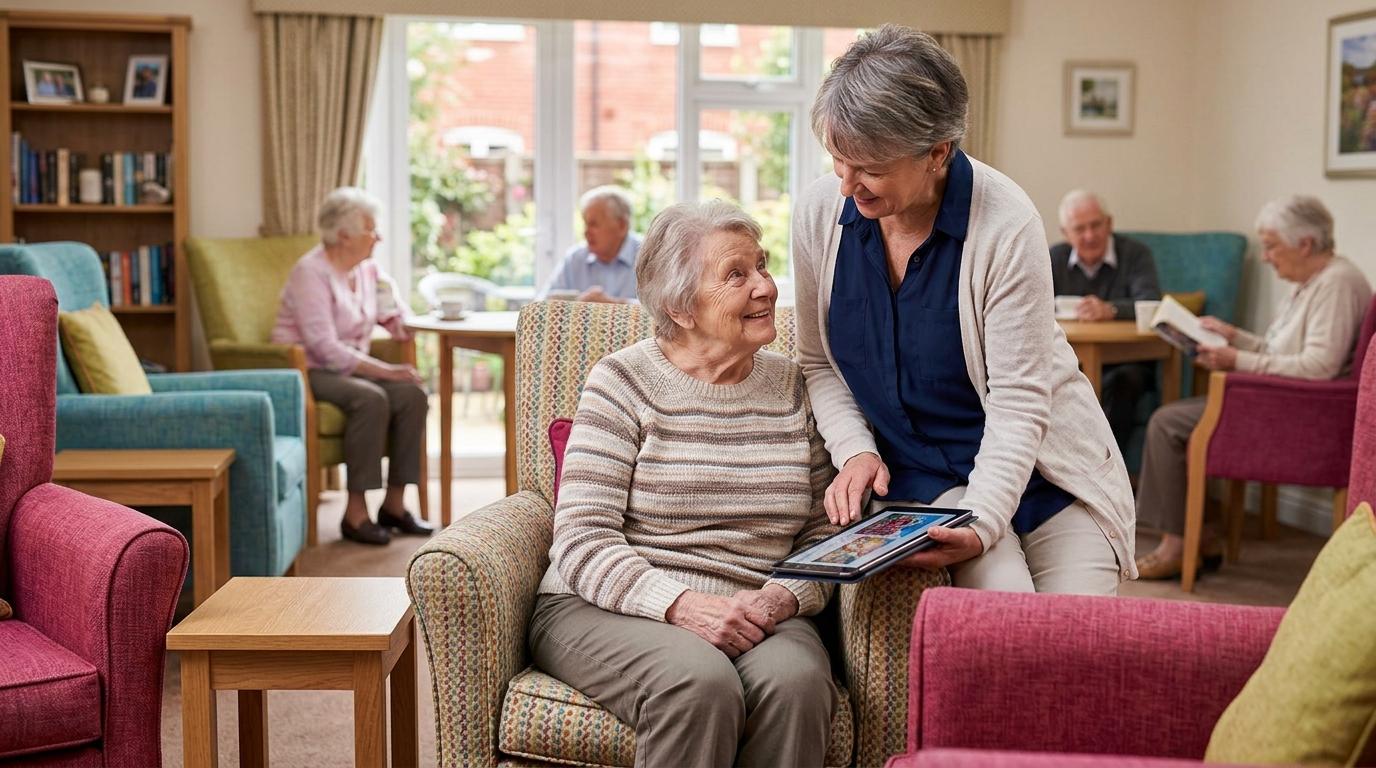
Life in a skilled nursing community is more layered than most people expect. Each day includes nutritious meals, purposeful activities, and plenty of chances for social connection. These activities aren’t just nice extras. They’re woven into the fabric of daily life because they genuinely support well-being.
Spiritual and emotional support is also available for residents and their families. Chaplains offer one-on-one visits, group programs, and coordination with local religious leaders, so your loved one can stay connected to what matters most to them. It’s a part of care that often goes unspoken but means a great deal.
Beyond the practical, residents have the chance to grow, find purpose, and build real connections with the people around them. Memory care and skilled care communities can offer that kind of belonging when it’s needed most.
What Families Can Expect During This Time
Communication & Involvement
Families receive regular updates from the care team, so you always have a clear picture of how your loved one is doing. When questions come up about care options, the team can walk you through them with warmth and clarity, not confusing medical language.
Staying involved in your loved one’s care is not just welcomed, it’s encouraged. The goal is to keep families informed and supported every step of the way. Learning more about the family resources available can be a helpful first step when you’re just getting started.
Emotional Support Along the Way
Chaplains and counselors are available to families offering a steady, compassionate presence when things feel heavy. You don’t have to figure it all out on your own.
Recognizing the signs of caregiver stress early can make it easier to ask for the support you need. Knowing your loved one is surrounded by people who genuinely care can bring a real sense of peace during an uncertain time.

Take the Next Step Toward Skilled Care
If you’re thinking about skilled nursing care for a loved one, starting with a simple conversation can help clarify a lot. Talk through where they are right now, what they need, and what feels like the right fit.
At Providence Place in Minneapolis, you can meet the team, see the spaces, and ask all the questions on your mind. Whether you’re exploring memory care, skilled care, or transitional care options, the team is here to help you find the right path forward. Book a tour today to get started whenever you’re ready.