
Key Takeaways
- Skilled nursing care is short-term, medically focused support for recovery after illness or surgery.
- Transitional care bridges the gap between a hospital stay and returning to daily life.
- Skilled care can connect smoothly to memory care or other senior living options as needs change.
- Asking for help during this season is one of the most loving things a family can do.
A Guide to Skilled Nursing Care for Families
When a loved one comes home from the hospital, the path forward can feel uncertain. You want them to recover fully, but you also want to feel sure that they’re safe, supported, making progress toward their recovery goals. That in-between space, after a major health event but before life feels normal again, is exactly where skilled nursing care can make a meaningful difference.
Skilled nursing care is short-term, medically focused support provided by licensed nurses and trained care teams to support recovery and help manage medical needs. It’s not the same as assisted living or memory care. Think of it as a purposeful step in a longer journey toward health and stability.
What Skilled Nursing Care Actually Means
Skilled nursing care goes beyond help with daily tasks. It involves hands-on clinical support, like wound care, medication management, and monitoring for complications provided by licensed professionals. It’s the kind of care that requires real medical training, not just a compassionate heart. Each person’s care is tailored for their specific needs.
This level of care is often short-term and focused on specific recovery goals. Once your loved one reaches those goals, the care team works with your family to plan the next step. The team can also help you understand available care options and determine which services best align with your loved one’s needs.
Whether that’s returning home, moving into assisted living, or exploring memory care. A skilled nursing stay can be one step in your loved one’s care journey, with next steps shaped by their current and future needs.
Signs Your Loved One May Need Support
Changes in Health That Signal a Need
Sometimes the signs are clear, like a surgery, a fall, or a hospitalization that came out of nowhere. Other times, the shift is more gradual. Maybe your loved one is struggling to manage medications on their own, or daily tasks that used to come naturally now feel difficult or unsafe.
New medical needs that require regular monitoring, such as tracking vitals or managing a recent diagnosis, may point to the need for skilled nursing support. These aren’t signs of failure. They’re signals that your loved one’s needs have changed.
A skilled care team can help them move through this season with more comfort and stability. Learning more about long-term care options can also help your family feel more prepared for whatever comes next.
When Transitional Care Fits Best
Transitional care is a specific type of skilled support designed to fill the gap between leaving a hospital and returning to everyday life. If your loved one isn’t quite ready to go home but doesn’t need to stay in a hospital, transitional care can provide additional support during recovery outside the hospital setting.
It’s also a good fit when someone is adjusting to new medications or routines and needs time and guidance to feel settled. The length of stay depends on the person’s medical needs, recovery progress, and care plan. Before choosing a care setting, ask the care team what support your loved one will need after leaving the hospital and how those needs will be addressed during recovery.
What a Skilled Nursing Stay Looks Like
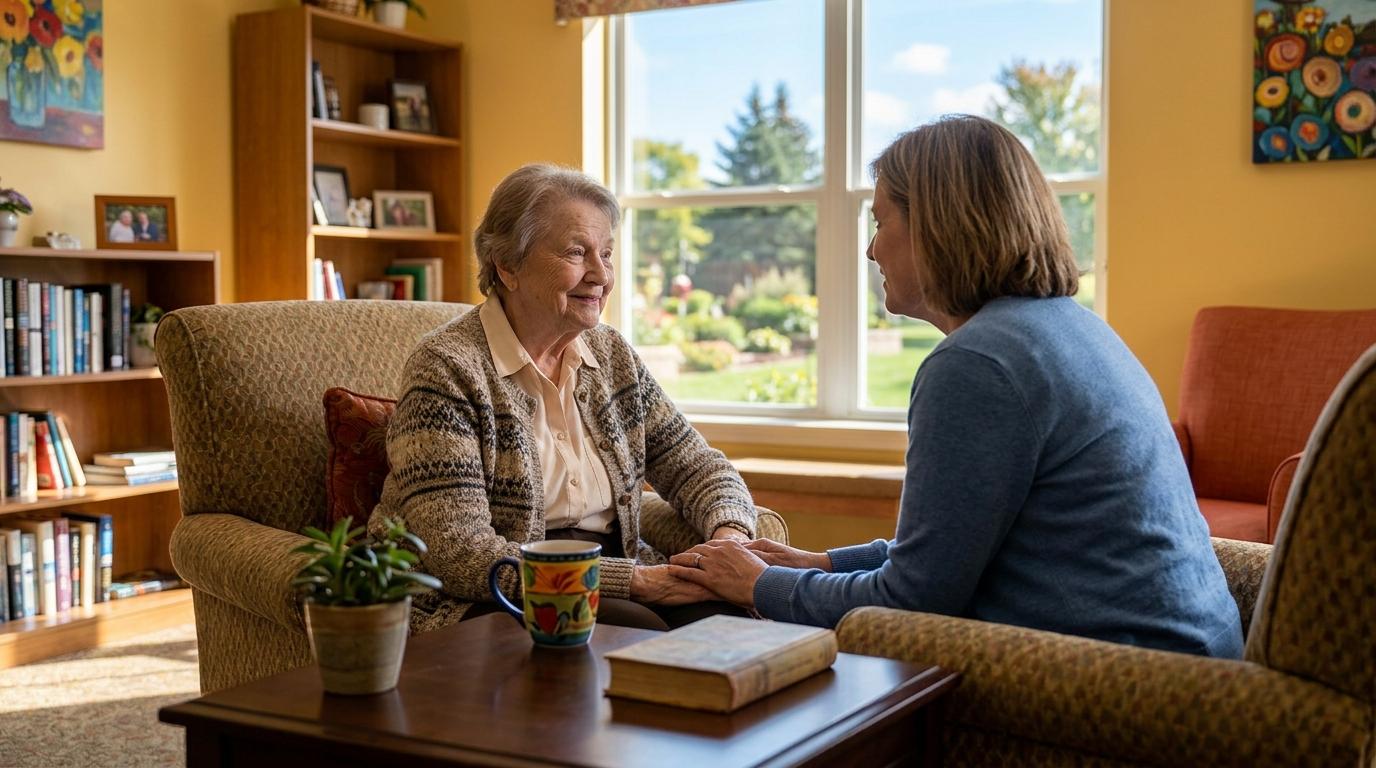
Skilled nursing care combines medical support with attention to each person’s comfort and daily routine. Your loved one’s day can include therapy sessions, nursing check-ins, and other services based on their care plan. Care plans are built around each person individually, rather than a generic checklist.
Beyond medical support, connection matters too. Shared spaces, activities, and friendly faces can help residents stay socially connected during recovery. The goal is to support physical healing while also considering your loved one’s emotional well-being and quality of life.
How to Support Your Family
One of the most helpful things you can do right now is simply talk with your loved one. Ask about their comfort, their worries, and what matters most to them. Their voice should be part of every decision, even when those decisions feel hard. Asking for support during this time can help you make informed decisions and ensure your loved one’s needs are met.
At Providence Place Senior Living, the team is here to support you and your loved one with information, guidance, and compassionate care. Each resident can enjoy our vibrant community in a safe and comfortable environment.
Reach out today to learn more or schedule a tour.