
Key Takeaways
- Skilled nursing care provides round-the-clock support tailored to your loved one’s needs.
- Family caregivers often carry more than they realize, and skilled care can offer real relief.
- Families stay involved through open communication and shared care decisions.
- Transitional care helps loved ones move smoothly from hospital stays back toward everyday life.
- The right senior living community feels warm, personal, and like a true home.
What Skilled Nursing Can Do for Your Family
Caring for a loved one is one of the most meaningful things you can do. But there comes a point when the needs grow larger than one person can handle alone, and that’s not a failure. That’s just life asking for a little more.
Skilled nursing care steps in to give your loved one the consistent, around-the-clock support they need, while giving you the space to breathe again. At Providence Place Senior Living, it’s a path forward that keeps your family connected while sharing the weight of care with a dedicated, compassionate team. From daily routines to health monitoring, skilled nursing care is built around the whole person, not just a checklist.
What Skilled Nursing Care Actually Looks Like
Skilled nursing isn’t just medical support. It’s a full approach to daily life that covers everything from personal care to health monitoring. Trained staff work with each resident based on their own unique situation, not a one-size-fits-all plan.
Care plans are shaped around what your loved one actually needs, whether that’s short-term recovery after a hospital stay or longer-term support as needs change over time. That kind of personalized attention means your loved one is seen as a whole person, not just a set of needs to manage.
From help with daily routines to more involved health support, skilled nursing meets people where they are. And because those needs can shift, the care can shift too.
The Weight Family Caregivers Carry
Signs You May Need Extra Support
If you’ve been the primary caregiver for someone you love, you know how quickly the days can blur together. Exhaustion creeps in. The to-do list never shortens. And somewhere along the way, your own health and happiness can start to take a back seat.
Some signs that it may be time to explore skilled care include feeling stretched too thin most days, noticing that your loved one’s needs have grown beyond what home care can handle, or finding that your own well-being has started to suffer. These are not signs of weakness. They’re signals worth paying attention to, and recognizing the signs of caregiver burnout early can make all the difference.
How Skilled Care Lifts That Weight
When a professional team steps in, you get to step back into the role you want most: being a loving family member. You don’t have to be the nurse, the scheduler, and the caregiver all at once anymore.
Knowing that someone attentive and caring is with your loved one around the clock brings a kind of calm that’s hard to put into words. It’s the feeling of finally being able to sleep through the night, or enjoy a quiet morning, without that constant knot of worry. Learning more about how respite and professional care support families can help you take that first step forward.
How Skilled Nursing Keeps Families in the Loop
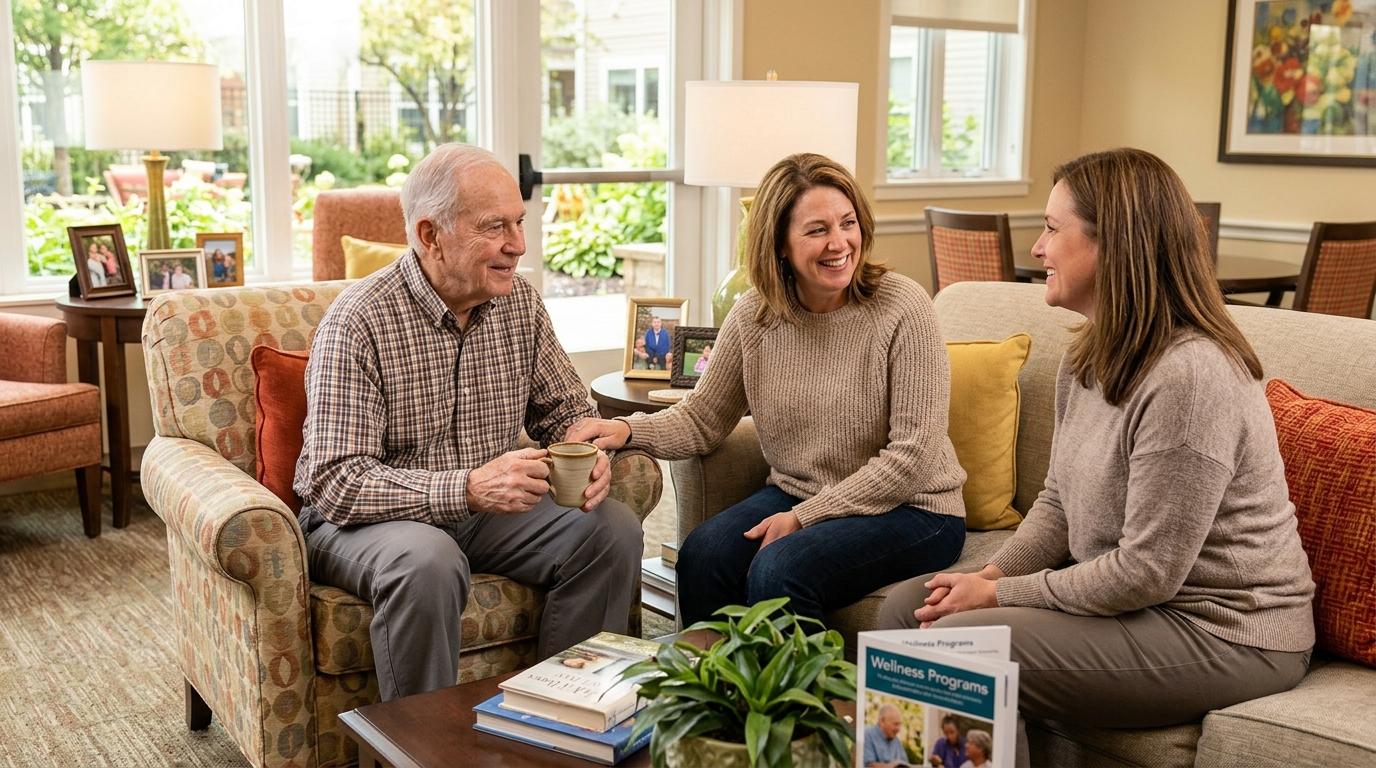
One of the biggest concerns families have is feeling left out once a loved one moves into a senior living community. The good news is that skilled nursing care doesn’t mean stepping away. It means stepping into a partnership.
Families receive regular updates and are included in care planning conversations from the start. Staff make it a point to keep lines of communication open, because you know your loved one better than anyone, and that matters. Your insight is part of the care.
The team at a strong skilled nursing community treats residents and their families with the same warmth they’d want for their own. It’s not clinical. It’s personal, and it makes a real difference in how both residents and families feel day to day. Exploring the services and programs available can give you a clearer picture of what that everyday life looks like.
Transitional Care and the Path Forward
From Hospital to Skilled Nursing
After a hospital stay, coming straight home can sometimes feel like too big a leap, especially when recovery still has a ways to go. Transitional care bridges that gap, offering a supportive landing place between the hospital and home life.
This kind of care can also help reduce the chances of your loved one ending up back in the hospital shortly after leaving. Having the right level of support during recovery makes a meaningful difference in how well, and how smoothly, that recovery goes.
When Skilled Nursing Connects to Memory Care
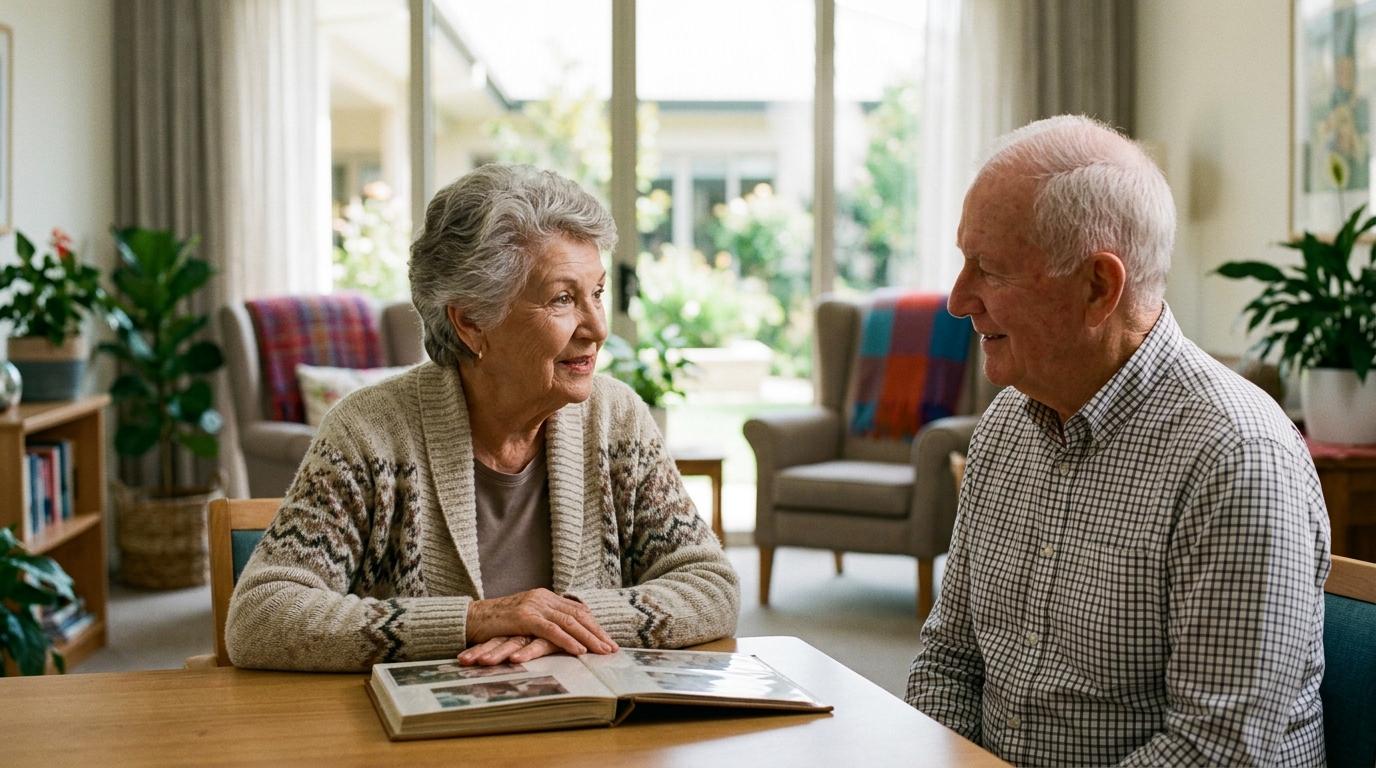
Sometimes, a loved one’s needs shift in ways that call for more specialized support. Memory care within a senior living community offers a warm, structured environment for those living with memory changes.
When the time comes to move between levels of care, a good community makes that transition feel as gentle as possible. Your loved one doesn’t have to start over somewhere new. The support simply adjusts to meet them where they are.
Finding the Right Skilled Nursing Community for Your Family
When you’re looking at skilled nursing options, pay attention to how a place feels when you walk through the door. Warmth and genuine care aren’t things you can fake, and you’ll sense them quickly.
Ask about daily programs, on-site amenities, and whether spiritual support services are available. These things matter to quality of life in a real way. A place that attends to the whole person, not just their health needs, is the kind of place worth considering. You can also browse floorplans and community photos to get a feel for the space before your visit.
Providence Place Senior Living welcomes families to come see the community for themselves. A visit can tell you more than any webpage ever could, and the team here is always happy to show you around and answer your questions.
Reach out today to schedule a tour and take that first step together.