Key Takeaways
- Occupational therapy can help rebuild daily routines and independence after a health event
- Rehabilitative therapy can support physical tasks, cognitive function, and social engagement together
- Transitional care and skilled care settings provide structured therapy that can reduce repeat hospitalizations
- A warm, whole-person approach to recovery addresses physical, emotional, and spiritual well-being
- The right senior living community can make a real difference in how recovery feels and progresses
What Recovery Looks Like After a Health Event
Coming home after a hospital stay can feel overwhelming. Even simple things can suddenly feel like big challenges, like getting dressed or moving safely from room to room.
That gap between leaving the hospital and feeling like yourself again is where so many families feel lost, and it’s a gap that the right support can help bridge.
Providence Place Senior Living understands how much that transition matters and how the right care environment can change everything about the recovery experience.
Occupational therapy plays a meaningful role in post-acute recovery by helping your loved one rebuild daily routines and skills to live as independently as possible.
It’s not just about physical recovery. It’s about getting back to the life that matters most to them. Exploring the right care level for your loved one is one of the most important steps you can take during this time.
What Occupational Therapy Actually Does After a Health Event
Occupational therapy focuses on the practical side of recovery, the everyday moments that make life feel normal again.
Therapists work closely with each person to understand their specific goals, whether that’s making breakfast on their own or simply moving safely through a living space. Every plan is shaped around the individual, not a one-size-fits-all approach.
Think of occupational therapy as the bridge between a hospital discharge and a full, comfortable life. It can give your loved one the tools they need to take on each day with greater ease.
Therapists tailor support and exercises to their specific needs, so progress feels personal and meaningful rather than clinical.
Key Skills Occupational Therapy Can Help Rebuild
Daily Living Tasks
Some of the first things occupational therapy addresses are the tasks your loved one does every single day. Dressing, bathing, grooming, and managing personal care routines are all part of the work.
These might seem small, but regaining the ability to handle everyday tasks independently can feel incredibly freeing. A closer look at what activities of daily living (ADLs) involve can give families a clearer picture of what therapy targets.
Safe movement around the home or living space is another big focus. A therapist can help your loved one learn to navigate their environment in ways that reduce fall risk and rebuild real trust in their body again. Small adjustments can lead to big gains in comfort and safety.
Cognitive and Social Function
Recovery isn’t only physical. Memory support and problem-solving exercises are often woven into occupational therapy sessions, especially after events like a stroke or a serious illness. These exercises help the brain reconnect with everyday routines in a natural, low-pressure way.
Learning about how the aging brain affects thinking can help families set realistic, encouraging expectations throughout recovery.
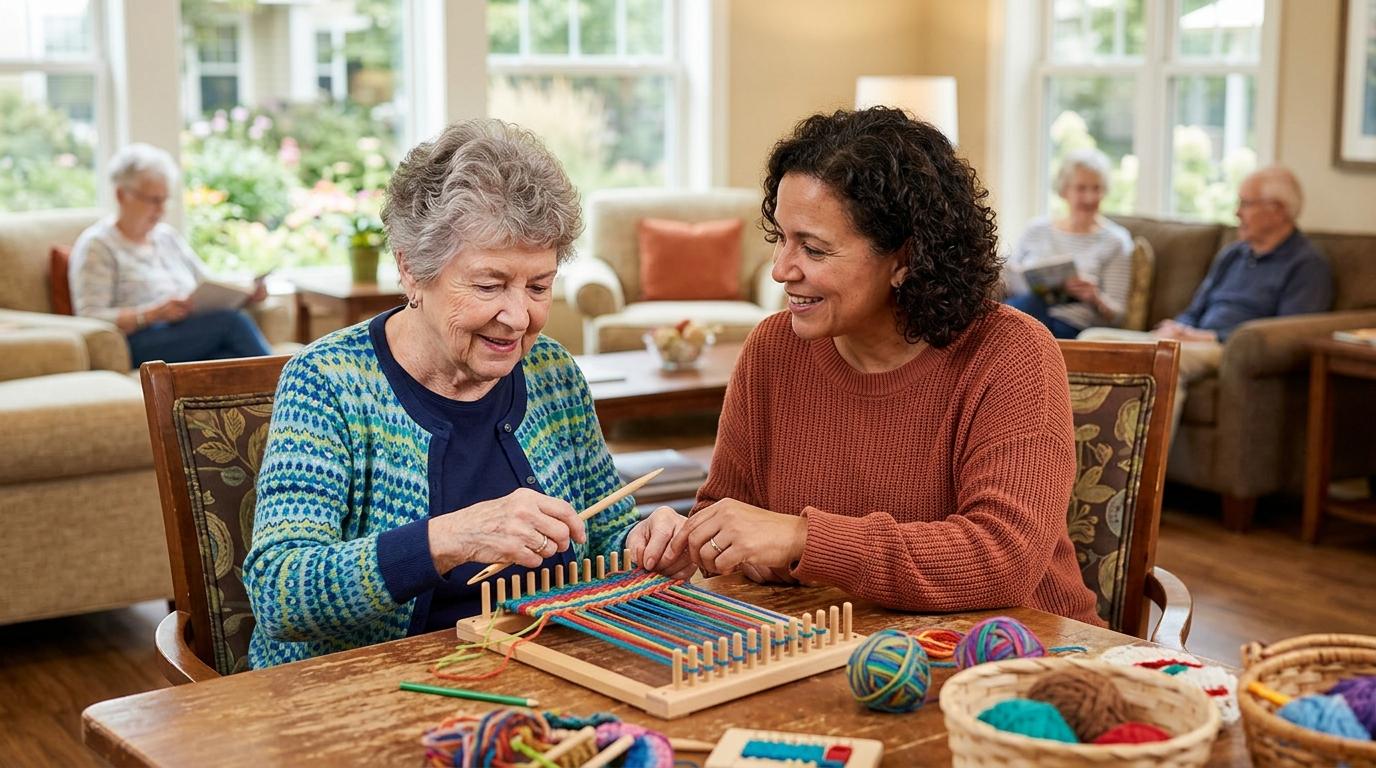
Social connection is just as important as physical healing. Occupational therapy encourages meaningful engagement with others, whether that’s through group activities or simply feeling capable enough to enjoy a conversation over a meal.
When someone feels stronger and more capable, they tend to show up more fully in their relationships, too.
How Transitional Care Supports the Recovery Process
Transitional care can give your loved one a structured, supportive place to recover between the hospital and home. Skilled care settings offer organized therapy programs, consistent check-ins, and coordinated support that help keep recovery moving in the right direction.
These community programs can provide a consistent, reliable environment during a time that can feel anything but steady.
One of the quiet benefits of transitional care is that it can reduce the risk of repeat hospitalizations. When a supportive team manages recovery carefully and comprehensively, setbacks become less likely.
Your loved one gets the time and the support they need to heal, rather than rushing back into daily life before they’re ready.
Coordinated support across therapy, nursing, and wellness means nothing falls through the cracks. Every member of the care team knows what your loved one needs, and they work together to help make sure recovery stays on track.
What to Look for in a Senior Living Recovery Program
The Right Team and Environment
When choosing a senior living recovery program, the people around your loved one matter just as much as the therapy itself. Look for dedicated staff trained in post-acute and skilled care who approach each resident with genuine warmth.
A team that knows your loved one’s name and story can make recovery feel less like a process and more like a homecoming.
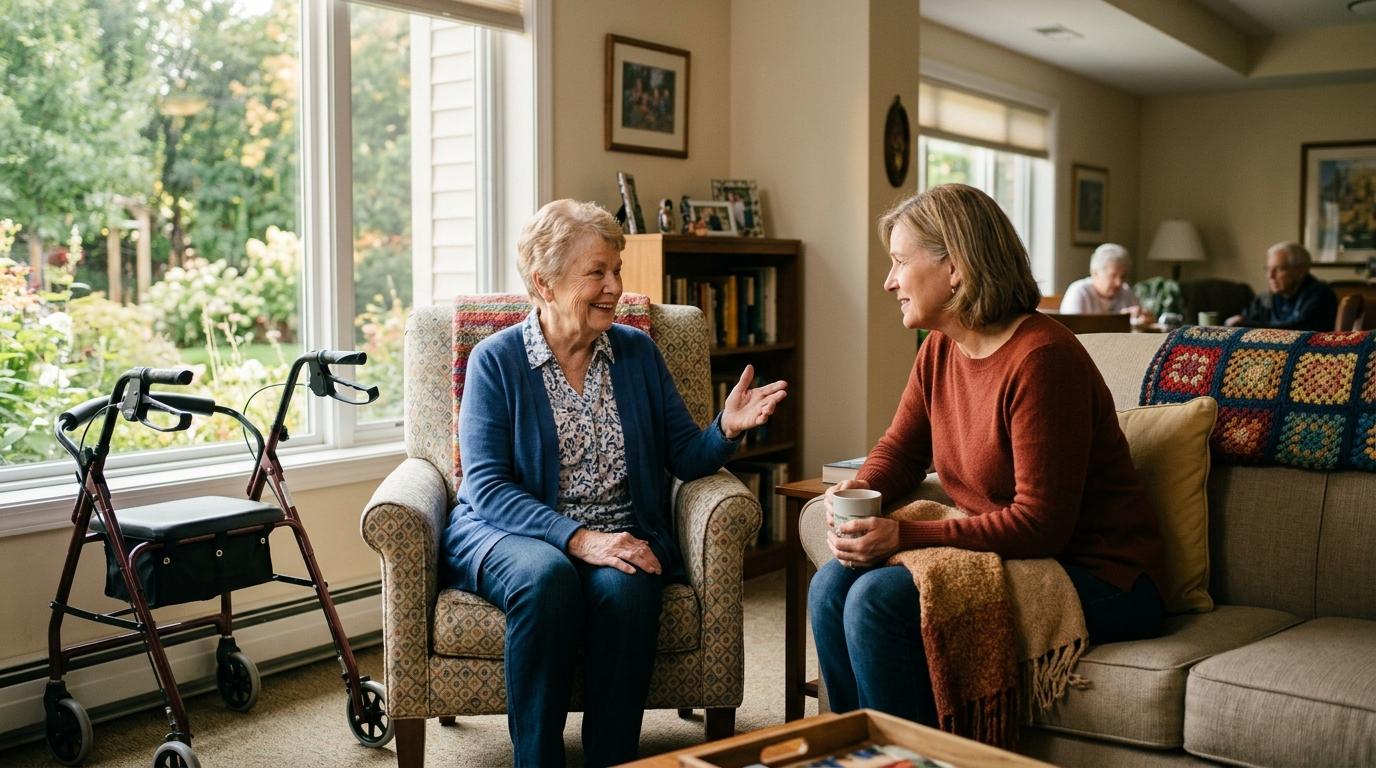
The environment influences the impact of support. A warm, home-like setting can often support healing in ways that a sterile or institutional space simply can’t.
Comfortable surroundings help people feel safe, calm, and cared for, which supports recovery in ways that go far beyond the therapy session itself. Browsing available floorplans and spaces can help your family get a feel for what that environment looks like day to day.
Whole-Person Wellness Support
Recovery goes deeper than physical healing. Emotional and spiritual well-being are just as important to getting better, and an effective recovery program addresses all aspects of wellness.
Look for programs that offer spiritual support, social connection, and activities that bring real joy into each day. The services and programs available at a community can tell you a lot about how deeply they invest in each resident’s full well-being.
When your loved one is surrounded by care that sees the whole person, not just the condition, recovery can feel like more than just getting through it. It can feel like truly living again.
Your Next Step Toward a Stronger Recovery
Recovery can work best when support is right beside your loved one every step of the way. With a whole community behind them, it’s easier to get the support they need—in every way.
Providence Place Senior Living in Minneapolis offers skilled care, transitional care, and memory care options designed to support healing with heart. When you’re looking for a place where your loved one can recover with dignity and warmth, reach out to our team.